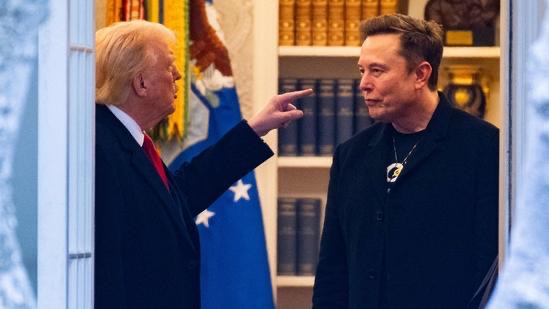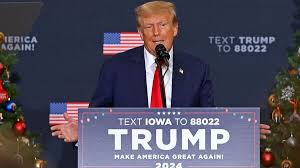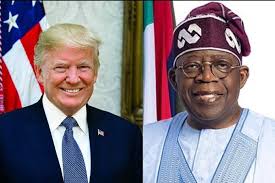

In a bold move that sent shockwaves across global markets and African diplomacy circles, former U.S. President Donald Trump has declared that Nigeria will face an additional 10% tariff on exports to the United States. The reason? Nigeria’s alignment with the BRICS alliance, which Trump labeled “anti-American” in a late-night post on his Truth Social platform.
“Any Country aligning themselves with the Anti-American policies of BRICS will be charged an ADDITIONAL 10% Tariff,” Trump wrote. “There will be no exceptions.”
This latest declaration adds fuel to already tense U.S.-Africa trade relations and places Nigeria—the continent’s largest economy—squarely in Trump’s trade crosshairs.
Nigeria’s BRICS Status Under the Microscope
Although not yet a full BRICS member like Brazil, Russia, India, China, and South Africa, Nigeria was admitted in January 2025 as a “BRICS Partner Country”. The designation granted Abuja a seat at working group summits on trade, finance, and development—but apparently, that was enough to earn the ire of Washington.
Trump’s administration considers BRICS as actively undermining U.S. global influence, especially with its push to create non-dollar trade systems, and Nigeria’s recent participation in the Rio BRICS Summit was seen as a step too far.
The Cost of Alignment: What Does a 10% Tariff Mean for Nigeria?
The economic implications could be steep. Already hit with a 14% tariff in April, Nigerian goods entering the U.S. will now be taxed at a combined 24%, dealing a major blow to sectors like:
Crude oil (70% of exports to the U.S.)
Agricultural products like sesame seeds, cocoa, and cashew
Textiles and agro-processing industries already battling inflation and FX volatility
The Manufacturers Association of Nigeria (MAN) is sounding the alarm, warning of factory shutdowns, job losses, and an even weaker naira if U.S. buyers begin pulling contracts.
“This is a direct hit on non-oil exports. The government must act fast,” said a senior MAN spokesperson on Monday.
Balancing Act: Global South Unity vs. U.S. Market Access
President Bola Ahmed Tinubu, who only just returned from the BRICS summit in Brazil, now faces a diplomatic and economic balancing act. While Nigeria has much to gain from deeper south-south cooperation—especially in energy, technology, and infrastructure—losing the U.S. market, which accounts for billions in annual trade, could destabilize parts of the economy.
At the summit, Tinubu emphasized:
“Nigeria associates fully with BRICS calls for a fairer global financial system… but this must not come at the cost of our national interest.”
Behind closed doors, sources say Abuja is considering quiet negotiations with the U.S. trade office to explore exemptions—though Trump’s public statement leaves little room for compromise.
What’s Next for Nigeria?
If nothing changes by August 1st, the 10% tariff kicks in officially. Experts say Nigeria has several options on the table:
Pivot to alternative markets like the EU, Asia, and within Africa via AfCFTA
Negotiate a tariff relief deal (unlikely under Trump’s “no exceptions” stance)
Accelerate industrial policy to move from raw exports to processed goods
Reassess BRICS ties—though doing so could harm diplomatic credibility in the Global South
Meanwhile, international investors are taking note. Nigerian Eurobond yields rose by 40 basis points in early Monday trading as markets digested the news.
The Big Picture: Trade, Power, and the BRICS Gamble
Trump’s tariff isn’t just about Nigeria. It’s about a changing world order, and who sets the rules. As BRICS grows louder in its push to create multipolar financial and geopolitical systems, Washington is drawing its red lines.
Nigeria, with its strategic oil, population, and influence, finds itself caught between two global forces—and how it navigates this storm may shape not just its economy, but its role in 21st-century geopolitics.
STAY TUNED: GBKM will continue monitoring this developing story as the Tinubu administration responds to Washington’s latest pressure play