
The Ancient Stranglehold: Origins of Diphtheria
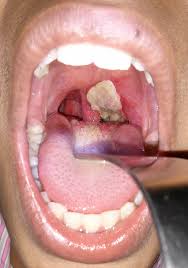
Diphtheria has visited humanity for millennia. References from ancient Egypt and Greece describe a “throat distemper”—a viral-like illness that choked victims with a leathery film in their throats .
In Europe, diphtheria erupted in deadly epidemics after the 1700s. Spain’s 1613 “Year of Strangulations” devastated children; by the 19th century it became one of history’s most dreaded childhood killers .
Naming and Discovery
In 1826, French physician Pierre Bretonneau named the disease diphtérite, from the Greek for “leather,” describing the pseudomembrane in patients’ throats. He also performed pioneering tracheotomies .
By 1883, Edwin Klebs isolated the causative bacterium, Corynebacterium diphtheriae .
In 1888, Roux and Yersin demonstrated the illness was driven by a potent toxin, laying the groundwork for treatment .
First Lifelines: Antitoxin and Vaccine
Emil von Behring, working with Shibasaburo Kitasato, developed the first diphttheria antitoxin serum in the early 1890s—a breakthrough that earned him the first Nobel Prize in Medicine in 1901 .
By 1923, Gaston Ramon created the toxoid vaccine, dramatically reducing incidence in countries with immunization programs .
The 20th Century Decline and Modern Resurgence
Before immunization campaigns began in the 1920s, diphtheria ravaged children—example: in 1921, the U.S. reported 206,000 cases and over 15,000 deaths . Vaccination programs later slashed cases by over 90% globally .
However, diphtheria persists in regions with low vaccine coverage. A resurgence in Nigeria unfolded recently:
Between July–August 2023, Nigeria recorded nearly 5,900 suspected cases, rising to ~14,000 by October with over 600 deaths—mostly among unvaccinated children.
By February 2025, total cases reached 24,864 and deaths 1,264, making it a high national risk .
The Current Outbreak: Edo State & Lagos
Edo State (Benin City)
As of June 4, 2025, Edo State health authorities confirmed five cases, including two deaths at University of Benin Teaching Hospital (UBTH) .
Despite over six confirmed cases in 2024 (two fatalities), the toll since has climbed to four total deaths by May 2025 .
In response, 90 vaccine doses were delivered: 70 from NCDC and 20 from Delta State, deployed to UBTH to protect high?risk groups .
The Nigerian Medical Association (Edo branch) is urging residents to get vaccinated and schools are on public health alert as academic sessions resumed mid?June .
Lagos
While official diphtheria data from Lagos is currently limited compared to Edo, news reports and health alerts suggest emerging clusters. Vigilance is advised due to close links with Edo and population density—a ripe setting for airborne transmission. Local health centers are reportedly preparing response protocols.
What Makes This Resurgence Alarming?
* Concern
* Explanation
* Low Immunization Coverage
Some individuals diagnosed reportedly had full childhood vaccinations, indicating possible waning immunity or vaccine inconsistencies .
Crowded Urban Settings
High-density populations in Lagos and Benin City ease respiratory spread.
Limited Resources
Nigeria’s public?health systems have struggled to maintain high vaccine coverage post?COVID.
Toxin Potency
Without prompt treatment, diphtheria can lead to death or disability due to airway blockage and heart involvement .
What Should Be Done Now?
Accelerate vaccination campaigns—including for children and adults needing boosters.
Ensure antitoxin and antibiotics are available in hospitals like UBTH and Lagos referral centers.
Boost surveillance and rapid response teams for early case detection, isolation, and treatment.
Educate public through schools and media on symptoms (sore throat, pseudomembrane, “bull neck”) and ensure prompt medical attention.
Strengthen regional coordination between Edo, Lagos, NCDC, WHO, and UNICEF to manage supplies and mobilize communities .
From ancient scourge to modern vaccine success story, diphtheria’s history reveals both scientific triumph and persistent vulnerability. The ongoing outbreaks in Edo State—and potential spread to Lagos—underscore that diphtheria remains a threat where public health systems falter. Only through renewed vaccination, vigilant surveillance, and community engagement can Nigeria turn the tide and protect its children from this preventable killer.