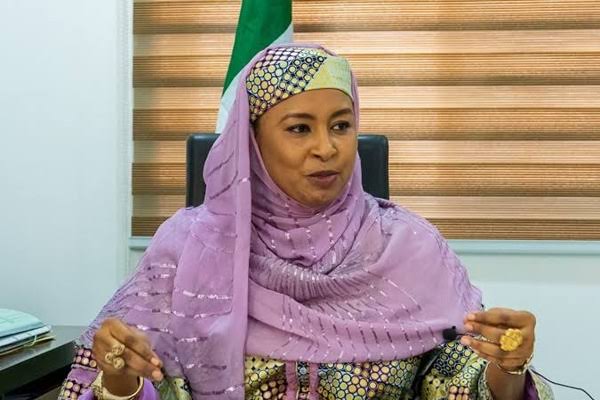

On the last business days of December 2023, while most Nigerians were buying bus tickets and jollof ingredients, a quieter drama was allegedly unfolding inside the National Social Investment Programme Agency (NSIPA)—the federal agency created to channel cash transfers and other support to Nigeria’s poorest households. By the first week of January 2024, a name was on every headline: Hajia Halima Shehu, then NSIPA’s National Coordinator. Reports said tens of billions of naira had moved in a matter of days. Was it a clerical blur, an elaborate heist, or something in between? The nation wanted answers.
A Rapid-Fire Timeline
Dec 27–31, 2023 (alleged): Investigators later said large movements—about ?44 billion—flowed out of NSIPA accounts into a mix of private and corporate accounts over four days at year’s end. The EFCC described the destination accounts as “suspicious.”
Jan 3–4, 2024: President Bola Tinubu suspended Shehu. EFCC took her into custody for questioning, linking her to the movement of ?44 billion. Within hours, EFCC announced it had frozen roughly ?30 billion traced from NSIPA accounts. Shehu was released on administrative bail but required to report to interrogators regularly.
Jan 7–9, 2024: EFCC sources said they had recovered about ?39.8 billion and had begun questioning CEOs/MDs of several banks believed to have processed parts of the flows. (Bank interrogations do not equal wrongdoing; they often help reconstruct the transaction trail.)
Throughout Jan 2024: Parallel probes swirled around the Humanitarian Affairs ministry’s prior programs, including a separate ?37.1 billion investigation from an earlier period—another thread that intensified public scrutiny of Nigeria’s social-spending pipelines.
April 2025: More than a year later, observers noted that EFCC had yet to publish a final probe report, leaving the public with partial facts and many questions.
What’s Confirmed vs. What’s Alleged
Confirmed:
Shehu was suspended and questioned by EFCC beginning Jan. 2024.
EFCC said it froze about ?30 billion tied to NSIPA flows and later recovered roughly ?39.8 billion.
Bank CEOs/MDs were questioned to aid the investigation.
Alleged / under investigation:
That ?44 billion was diverted into personal or improper accounts over Dec 27–31, 2023.
Any criminal liability of specific individuals or banks. As of April 2025, no final EFCC report or court conviction has been made public on this matter.
Why This Case Struck a Nerve
Who was supposed to benefit: NSIPA manages programs like conditional cash transfers meant to cushion vulnerable families. Any hint that social-safety funds were misdirected—especially at a time of inflation and subsidy reforms—cuts deep.
The year-end window: The alleged transfers clustered in the final days of December, a period when public-sector ledgers are busy, oversight teams are thin, and holidays disrupt routine approvals. That timing, investigators argued, made the flows more suspicious.
Opacity and trust: Nigerians watched numbers change—?30 billion frozen here, ?39.8 billion recovered there—without a definitive, publicly released end-to-end narrative. The result: online rumor often raced ahead of verified fact.
The Human Arc Behind the Headlines
Strip away the acronyms and you find real people: beneficiaries waiting on stipends, agency staff balancing directives with procedure, and a suspended public servant whose name became a trend overnight. In interviews reported by the press, Shehu’s camp suggested that some movements were errors or authorizations gone wrong, while investigators insisted the transfers bypassed proper approvals. Between those poles lies the painstaking work of tracing vouchers, sign-offs, and timestamps across multiple banks.
What to Watch Next
Official closure: A public-facing EFCC report—or court filings—would move the story from allegation to adjudication. Until then, treat viral “confessions” and sensational captions with caution.
Controls at NSIPA and sister agencies: Expect tighter rules on year-end disbursements, more granular approval trails, and stronger bank-level compliance checks, given EFCC’s decision to question top bank executives.
Beneficiary impact: The fastest way to rebuild trust is timely, transparent delivery of social benefits to the households that programs like NSIPA were designed to serve.
More details as it unfolds.......