
In the shadow of more famous mosquito-borne illnesses like malaria, dengue, and Zika, Chikungunya virus (CHIKV) has quietly made its mark as a disease of serious concern across continents. From its mysterious discovery in Africa to widespread outbreaks in Asia, the Americas, and beyond, Chikungunya is now a global public health challenge. But where did it come from, and how far has it spread?
The Origins of Chikungunya Virus
The name 'Chikungunya' comes from the Makonde language (spoken in Tanzania and Mozambique), meaning 'that which bends up,' describing the stooped posture of sufferers due to severe joint pain. The virus was first identified in 1952 during an outbreak in Tanzania.
It is caused by the Chikungunya virus (CHIKV), a member of the Alphavirus genus in the Togaviridae family. The primary vectors are Aedes aegypti and Aedes albopictus mosquitoes—both species that also transmit dengue and Zika viruses.
How Chikungunya Spreads
Transmission is straightforward: an infected mosquito bites a human, and the virus is passed into the bloodstream. Infected individuals then become reservoirs of the virus, and new mosquitoes can acquire it through bites, continuing the cycle.
What makes Chikungunya especially dangerous is the adaptability of its mosquito vectors. Aedes mosquitoes breed in urban areas, small water containers, and can bite during the day—making infection risk high, especially in densely populated cities.
Symptoms: The Pain that Lingers
Chikungunya typically presents with:
- Sudden high fever
- Severe joint pain (especially in hands, wrists, ankles, and knees)
- Muscle pain
- Headache
- Fatigue
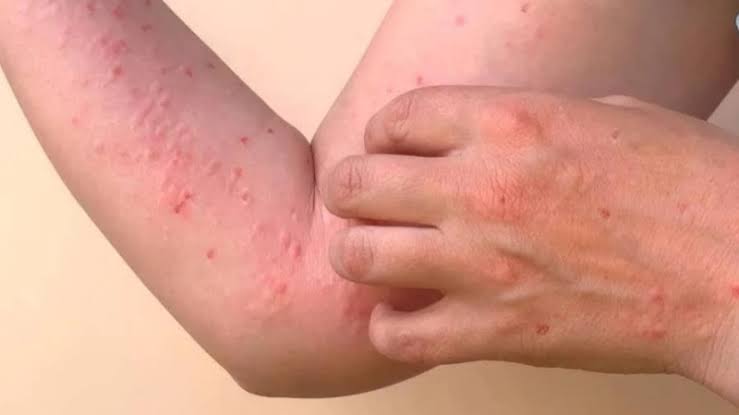
- Skin rash
While the disease is rarely fatal, the joint pain can persist for months or even years, mimicking rheumatoid arthritis in some cases.
Global Spread and Epidemic Timeline
For decades, Chikungunya remained confined to Africa and Southeast Asia. However, with globalization, climate change, and expanding mosquito habitats, the virus has crossed borders rapidly.
Key Outbreaks:
- 2004–2006: Explosive outbreak in the Indian Ocean islands, especially Réunion—over 200,000 infected.
- 2007: First European transmission reported in Italy.
- 2013–2014: Major outbreak in the Caribbean and Latin America. Countries like Dominican Republic, Colombia, and Venezuela reported thousands of cases.
- 2019–2022: Resurgence in India, Thailand, Myanmar, Brazil, and parts of Africa.
- 2023–2024: Increasing localized outbreaks in South America, Africa, and Southeast Asia, with the WHO flagging Chikungunya as a public health priority.
Chikungunya Statistics (As of 2024)
According to the World Health Organization (WHO) and PAHO, the Pan American Health Organization:
- Global total cases (2023–2024): Over 600,000 reported cases.
- Top affected regions:
- Brazil: 265,000+ suspected cases in 2023 alone.
- Paraguay: 130,000+ cases with severe burden on the healthcare system.
- India: Sporadic spikes in Kerala, Maharashtra, and Delhi.
- Sudan & Kenya: Increasing clusters reported.
- Deaths (2023–2024): Estimated 450–500 deaths, mainly from complications in elderly or immunocompromised individuals.
- Underreporting remains a major concern, especially in rural and underserved areas.
Prevention and Control
There is no specific antiviral treatment or vaccine for Chikungunya yet, although several vaccine candidates are in development.
Prevention strategies include:
- Using insect repellents (DEET or picaridin-based)
- Wearing long-sleeved clothing
- Eliminating standing water around homes
- Installing window and door screens
- Community-wide mosquito control programs
What the Future Holds
As the climate warms and urbanization expands, mosquito habitats are increasing, bringing the threat of Chikungunya to areas that were previously safe.
Global health authorities are urging:
- Investment in vaccine development
- Stronger vector control programs
- Surveillance and public awareness
The world must not wait for another pandemic to strike before taking mosquito-borne viruses like Chikungunya seriously.
Final Thoughts
Chikungunya may not dominate headlines like COVID-19 or Ebola, but for the hundreds of thousands it infects yearly, it’s a life-altering illness. Understanding its origin, spread, and staying alert to ongoing statistics helps individuals and communities respond with knowledge, preparedness, and prevention.
Stay protected. Stay informed.