
The tension between Iran and Israel is one of the most complex, deep-rooted, and dangerous rivalries in modern geopolitics. At first glance, it appears religious or ideological, but underneath lies a convoluted web of historical alliances, shifting power dynamics, regional dominance, nuclear ambitions, and proxy wars. While the world often sees missiles, threats, and hostile rhetoric, the real story goes far deeper—into betrayals, lost friendships, and geopolitical chess.
This blog aims to unravel the truth behind the Iran-Israel rivalry, share facts often ignored, and shed light on the untold truths of their long and twisted relationship.
The Unlikely Friendship Before the Fall
Before 1979, Iran and Israel were not enemies. In fact, they were secret allies.
• Under Shah Mohammad Reza Pahlavi, Iran recognized Israel de facto, though not officially.
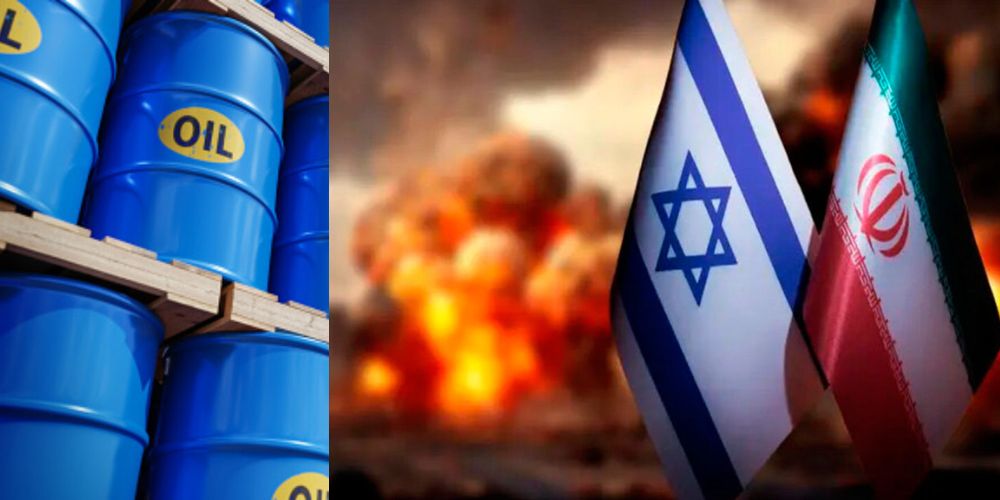
• Iran supplied oil to Israel when Arab nations boycotted it.
• The two countries shared intelligence, especially through Mossad and SAVAK (Iran’s secret police).
• They had joint military projects, including Project Flower, a missile development program.
This cooperation was built not on love, but shared interests: both feared Arab nationalism, Soviet influence, and rising powers like Iraq and Egypt.
The 1979 Revolution – Allies Turned Arch-Enemies
The turning point came with the Iranian Islamic Revolution in 1979. Ayatollah Ruhollah Khomeini overthrew the Shah and transformed Iran into a theocratic Islamic Republic.
Here’s what changed:
• Khomeini branded Israel as a “Zionist regime” and an illegitimate occupier of Palestine.
• Iran cut all diplomatic and trade ties with Israel.
• Tehran began supporting Palestinian resistance groups, most notably Hezbollah in Lebanon and later Hamas.
From that moment, Iran’s foreign policy included the elimination of Israel as a stated goal. This was more than rhetoric—it was a strategic doctrine.
Proxy Wars and Shadow Battles
Since the 1980s, Iran and Israel have avoided direct war, but their proxy conflict has spread across the Middle East.
Lebanon (1982–Present):
• Iran supported the creation of Hezbollah, a Shia militia.
• Israel considers Hezbollah its most immediate threat, especially with its arsenal of over 100,000 rockets pointed at Israeli cities.
• The 2006 Israel-Hezbollah war was a major flare-up of this proxy fight.
Syria (2011–Present):
• Iran has poured troops, weapons, and funds into Syria to support Bashar al-Assad.
• Israel has carried out hundreds of airstrikes to stop Iranian weapons transfers to Hezbollah.
• Syria became a battlefield for Israel-Iran clashes, often unclaimed but deadly.
Gaza (2007–Present):
• Iran backs Hamas and Islamic Jihad, despite Hamas being Sunni.
• Israeli offensives in Gaza often target Iranian-trained or Iranian-funded cells.
Iraq & Yemen:
• Iran’s Quds Force arms Shia militias in Iraq and the Houthis in Yemen.
• Some of these groups have launched missiles or drones toward Israel during regional escalations.
Nuclear Shadows and Cyber Wars
The most terrifying aspect of the Iran-Israel conflict is the nuclear dimension.
Iran’s Nuclear Program:
• Iran insists its nuclear ambitions are peaceful.
• Israel—and much of the world—believes otherwise.
• In 1981, Israel bombed Iraq’s Osirak nuclear reactor; in 2007, it bombed Syria’s.
• Israel has threatened to do the same to Iran, and may have already done so in other ways.
Covert Operations & Cyber Warfare:
• The Stuxnet virus, reportedly built by Israeli and American intelligence, crippled Iranian centrifuges in 2010.
• Israel has been accused of assassinating Iranian nuclear scientists, including Mohsen Fakhrizadeh in 2020.
• Iran retaliated with cyberattacks on Israeli infrastructure and companies.
Untold Truths and Geopolitical Realities
Here are truths rarely discussed in mainstream media:
1. Israel and Iran Once Needed Each Other
• Iran, a Persian and Shia nation, was always a minority in a Sunni Arab world.
• Israel, a Jewish state, also felt isolated.
• Their alliance under the Shah wasn’t a mistake—it was a strategic necessity.
2. Arab States Are Changing the Game
• With the Abraham Accords (UAE, Bahrain, Morocco normalizing ties with Israel), Iran now faces a Sunni-Israel alliance.
• Saudi Arabia, long a rival of Iran, is warming up to Israel too.
• Iran views this as encirclement, fueling its aggression.
3. Iran Uses Anti-Israel Rhetoric for Internal Unity
• Iran’s leadership often uses the Palestinian cause to deflect domestic criticism.
• Anti-Zionism is a tool to rally hardliners and distract from economic woes.
4. Israel Uses Iran as Justification for Militarization
• Israeli governments justify massive military spending, tech surveillance, and preemptive strikes by pointing to Iran.
• The threat of Iran is also used in election campaigns.
5. Neither Side Truly Wants All-Out War—Yet
• Full-scale war would devastate both sides.
• The conflict thrives in a “forever gray zone”—covert attacks, proxy fights, diplomatic chess, and media wars.
Are We Headed for War?
In April 2024, the world held its breath as Iran launched hundreds of drones and missiles at Israel in retaliation for the bombing of its embassy in Syria. Israel responded in kind. For the first time, open conflict between Iran and Israel seemed imminent.
While both sides de-escalated, the message was clear: the red lines are getting thinner.
With Iran’s nuclear program advancing, and Israel vowing it will never allow Tehran to acquire a bomb, a direct confrontation is not unthinkable.
THE WORLD MUST PAY ATTENTION!!!
The Iran-Israel conflict is not just a regional matter. It could ignite a global crisis, draw in superpowers, and cause economic shocks due to oil and security instability.
But understanding the real story, the history behind the rift, and the untold truths can help the world push for diplomacy over destruction.
Peace is not impossible—but only if we move beyond headlines, fear-mongering, and propaganda, and instead engage with truth, empathy, and strategy.