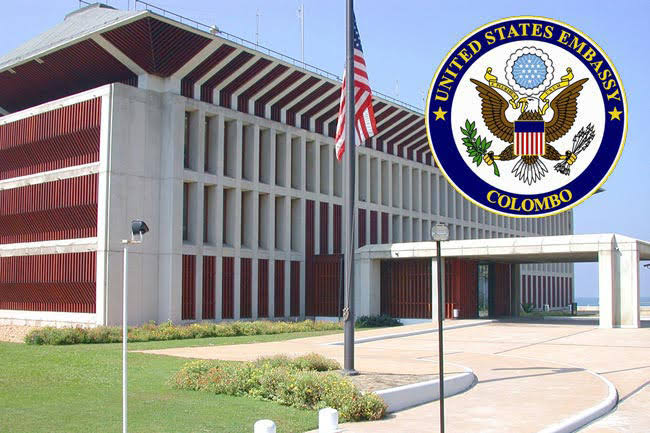
On June 23, 2025, the U.S. Embassy in Abuja, Nigeria, issued a serious security advisory instructing U.S. citizens and embassy staff to avoid non-official travel to military bases and government buildings in the capital city.
This comes amid rising global tensions involving the Middle East, and a fresh surge in extremist threats in northern Nigeria.
Why the Warning Now?
The advisory appears to be a precautionary measure in response to a mix of international conflict and local instability, including:
? Recent U.S. airstrikes on Iranian nuclear facilities, leading to global tension.
? Fears of retaliatory or symbolic attacks on U.S.-affiliated targets.
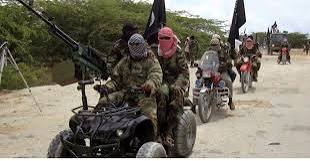
? A suicide bombing in Borno State this week, reportedly linked to Boko Haram.
? Ongoing risks from regional terror networks and insurgency groups.
“Due to the dynamic security situation, the U.S. Mission is restricting non-official travel to Nigerian military installations and government buildings.”
— Official U.S. Embassy Statement
Who’s Affected?
All U.S. citizens currently in Nigeria, especially in Abuja
Embassy and consulate staff and their families
NGO workers, foreign journalists, and dual nationals
While this advisory is targeted at Americans, the warning serves as a broader caution for expatriates, travelers, and Nigerians alike.
What You Should Do Right Now
The Embassy provided practical guidance for all U.S. nationals in the region. Here’s a summary:
? Personal Security Checklist
* Avoid military and government buildings, even for errands or meetings.
* Steer clear of large public gatherings, protests, or political events.
* Vary your routes and routines to reduce predictability.
* Limit travel at night and avoid isolated areas.
* Know emergency exits wherever you go.
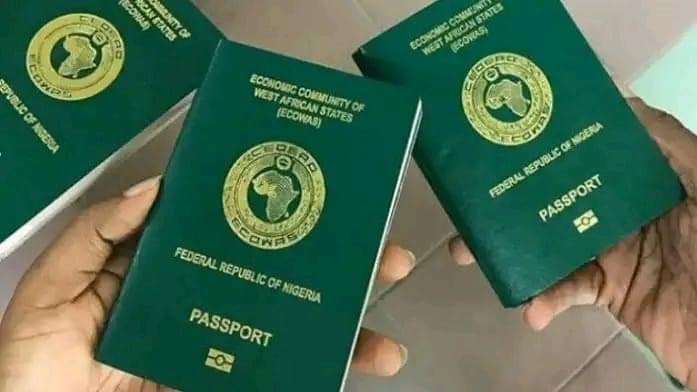
* Keep copies of your ID and passport in multiple locations.
* Register with STEP (Smart Traveler Enrollment Program) for real-time updates: https://step.state.gov
Are Embassies Still Open?
Yes. As of now, both the U.S. Embassy in Abuja and the Consulate in Lagos remain open for routine and emergency consular services.
However, all staff are under enhanced movement restrictions — a clear sign that the Embassy is taking this threat seriously.
Educational Insight: Why Military & Government Sites?
These locations are considered “hard targets” — meaning they are well-defended but symbolically significant. In times of heightened geopolitical stress, these sites become attractive targets for groups looking to make international headlines.
“This is a strategic, not panic-based alert. It’s about reducing exposure to high-profile locations during volatile periods.”
— Security Analyst, Global Watch Africa
Broader Context: Global Events Shaping Local Threats
This alert is not happening in isolation. Recent events influencing the decision include:
???? Iran-U.S. airstrike escalation
???? Boko Haram’s renewed activity in northern Nigeria
???? Increased suicide bombings in civilian areas
???? General rise in anti-Western rhetoric in extremist networks
These overlapping dynamics make this more than just a local issue — it’s a reflection of global instability manifesting locally.
Stay Connected, Stay Safe
If you’re in Abuja or planning to travel:
Follow updates from the U.S. Mission Nigeria website: https://ng.usembassy.gov
Stay off social media for discussing security details.
Share only verified information.
Need assistance?
???? U.S. Citizens in Nigeria can call +234 (0) 9 461 4000 (Abuja) or +234 (1) 460 3400 (Lagos).
Final Thoughts
This alert is not cause for panic — but it is a serious signal. Security alerts like this are issued when there’s credible intelligence that certain locations may face heightened risk.
The best way to stay safe is to:
Stay informed
Take precautions
Limit exposure to high-risk zones
If you found this article helpful, share it with anyone living or working in Abuja.
Stay safe, stay smart,